
 By
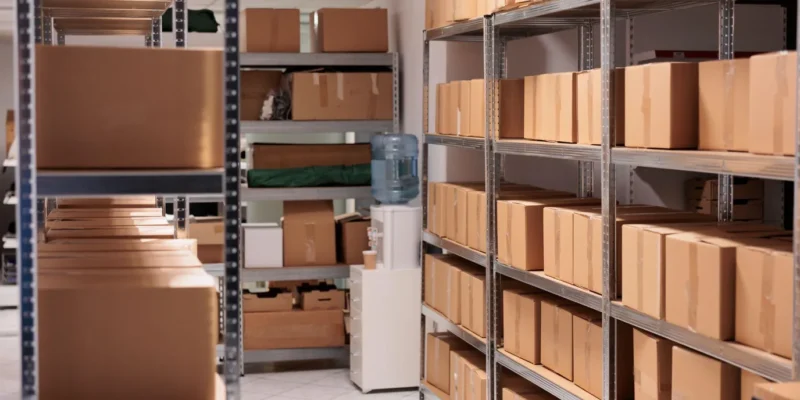
Most of us eventually run out of room. Whether you are downsizing to a smaller house, holding onto sentimental family heirlooms, or just trying to clear out a cluttered garage, finding a secure place for your belongings is a common headache. The default solution has always been driving out to a concrete commercial lot and signing a rigid rental contract. However, the sharing economy has introduced a much smarter alternative.
Utilizing peer to peer storage allows you to rent unused space directly from people in your own community. Instead of dealing with corporate price hikes and inconvenient locations, you can stash your items in a local basement, empty garage, or spare bedroom. This shift away from commercial units toward community-driven solutions provides some distinct advantages for anyone looking to declutter. Here is why choosing a neighbor over a corporate facility makes perfect sense.
Table of Contents
Enjoying Significant Cost Savings
The most immediate benefit of renting from someone nearby is the price. Traditional storage companies have high overhead costs. They have to pay for commercial real estate, staffing, property taxes, marketing, and facility maintenance. To cover these expenses and generate a profit, they pass those high costs directly to the consumer. These corporate entities are notorious for luring customers in with a cheap introductory rate only to hike the monthly fee a few months later once you are already locked in and settled.
When you rent space from a local homeowner, those operational overhead costs simply disappear. A neighbor isn’t trying to fund a corporate expansion or please shareholders; they just want to make a little extra side income from an empty garage bay or a cleared-out attic. This dynamic results in significantly lower monthly rates. You get the square footage you need without the surprise price increases, making it a much more budget-friendly solution for both short-term transitions and long-term organization.
Unmatched Location and Convenience
If you have ever rented a commercial unit, you know they aren’t usually built in the middle of quiet residential neighborhoods. Zoning laws typically restrict these large, sprawling complexes to industrial parks, commercial highways, or the far edges of town. That means every time you want to grab your camping gear or pull out your seasonal holiday decorations, you have to plan a specific road trip.
Renting locally changes the equation entirely. You can often find a host right in your own subdivision or just a few streets over. Instead of fighting weekend traffic or dealing with confusing highway exits to reach a commercial lot, you can simply take a five-minute drive down the road. This unmatched convenience means you actually have functional access to your belongings. When your recreational gear or winter clothes are stored right around the corner, grabbing them on a whim becomes incredibly easy.
Flexible and Tailored Agreements
Commercial facilities operate on rigid, standardized contracts. They have set unit sizes, and if your belongings don’t perfectly fit those dimensions, you end up paying for a lot of empty air. If you just need a spot to keep a single motorcycle during the winter or a few boxes of books during a college transition, you are still forced into renting an entire standard unit.
Working with a neighbor provides flexibility that corporate lots simply can’t match. Homeowners are often willing to negotiate terms that fit your specific situation. You can agree on a custom footprint, paying only for the space you actually occupy. If you need to extend your timeline by a few weeks or adjust the amount of space you are using halfway through the year, having a direct, human conversation with your host is far easier than trying to break or modify a corporate lease agreement.
Security and Peace of Mind
At first glance, a commercial lot with a keypad gate might seem like the most secure option. However, these large facilities are frequently targeted by thieves precisely because they house hundreds of unattended units in empty industrial areas. Once someone bypasses the main gate, they can operate with very little interruption, especially late at night when the property is completely deserted.
A residential home offers a completely different type of security. When you store your items in a neighbor’s basement or garage, your belongings are inside an actively occupied property. Homeowners are present, they notice strange vehicles in their driveway, and many have their own residential security cameras or protective pets. This lived-in environment acts as a natural deterrent. Knowing your valuables are sitting in a secure, monitored residential home often provides far more peace of mind than leaving them behind a thin metal roll-up door in a deserted commercial park.
Supporting the Local Economy
Building new commercial storage complexes requires clearing land, pouring concrete, and utilizing significant construction resources. Yet, we already have millions of square feet of perfectly good, unused space sitting idle in homes across the country. Utilizing existing residential space is an incredibly efficient, eco-friendly way to solve a logistical problem without requiring new commercial construction.
Beyond the environmental perks, this system keeps your hard-earned money within your own community. Instead of sending your monthly payment to a distant corporate headquarters, you are helping a local family pay their mortgage, fund a home repair, or save for a family vacation. It builds a sense of neighborhood connection and mutual benefit that a traditional commercial transaction simply doesn’t offer.
Finding room for the things that matter doesn’t have to mean dealing with corporate bureaucracy or driving across town every weekend. By rethinking how we use the space around us, we create better solutions for everyone involved. Renting from a nearby homeowner provides a cheaper, safer, and far more convenient way to manage your belongings while directly supporting the people living right in your own community.









Comments