
 By
By 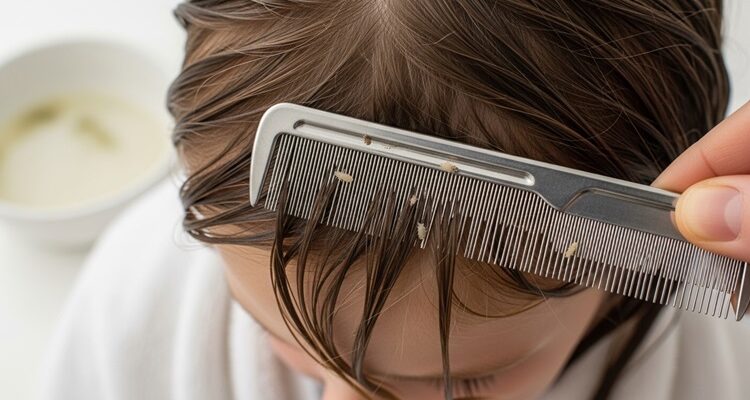
It is the moment every parent dreads. You are standing in your bathroom under the harsh vanity lights, holding a fine-toothed comb, and staring at a tiny, moving speck on your child’s scalp.
Your immediate instinct is to fix it now. You don’t want to spend three weeks combing and praying; you want to go to a professional clinic and have it handled in an hour. But then, you pause. You look at the price tag of professional treatment. It’s certainly more expensive than a $15 bottle of shampoo from the drugstore. You start doing the mental math, wondering if your monthly budget can handle a sudden, unexpected hit.
Before you resign yourself to weeks of laundry and failed home remedies, check your wallet. You might be carrying a plastic card that changes everything.
Many parents are shocked to learn that professional lice removal is often an eligible expense under Health Savings Accounts (HSAs) and Flexible Spending Accounts (FSAs). That money you have been setting aside tax-free for braces or glasses? It can likely be used right now to evict the bugs.
Here is a guide to navigating the financial side of the itch, and how to use your benefits to cover the cost of sanity.
Table of Contents
1. Why Is This Considered a Medical Expense?
It feels like a salon visit. You sit in a nice chair, someone works on your hair, and you leave looking better than you arrived. Because of this spa-like experience at modern clinics, many people assume the IRS views it as cosmetic.
Fortunately, the IRS disagrees. According to IRS Publication 502, medical expenses are the costs of diagnosis, cure, mitigation, treatment, or prevention of disease. Pediculosis (the medical term for a head lice infestation) is a parasitic infection. It isn’t a bad hair day; it’s a medical condition. Therefore, the costs associated with treating it—specifically the removal of the parasite—are generally considered qualifying medical expenses. This places professional lice treatment in the same tax-advantaged bucket as getting a cavity filled or visiting the dermatologist.
2. The Difference Between HSA and FSA
If you have one of these cards but aren’t sure which is which, here is the quick breakdown of how they apply to this situation:
- HSA (Health Savings Account): This is your money. It rolls over year to year. If you have a high-deductible health plan, you likely have one of these. You can use this money confidently for lice treatment, knowing it is a qualified medical deduction.
- FSA (Flexible Spending Account): This is the “use it or lose it” money. Many employees scramble at the end of December to buy extra contact lenses or first aid kits to drain the account.
- The Strategy: If you are hit with a lice outbreak in November or December, using your FSA funds is a brilliant move. You are essentially using money that would have vanished anyway to solve a major family crisis. It turns a wasted benefit into a lifesaver.
3. Will My Standard Health Insurance Cover It?
This is the most common question, and the answer is usually frustrating: Probably not.
While HSAs and FSAs are flexible, standard health insurance carriers are notoriously rigid. Many insurance companies view head lice as a nuisance rather than a disease requiring professional intervention. They often argue that over-the-counter treatments (which are cheap) should be the first line of defense.
Furthermore, most lice clinics are “out-of-network” providers.
- The Reality: You can try to submit a claim to your insurance provider for reimbursement, but be prepared for a denial.
- The Workaround: This is exactly why your HSA/FSA is the hero of the story. It bridges the gap. It allows you to pay with pre-tax dollars (saving you roughly 30% effectively) without having to fight a customer service rep at your insurance company.
4. How to Use the Card
Using your benefits card for lice treatment is usually seamless, but there can be hiccups depending on how the clinic’s merchant code is set up.
Scenario A: The Direct Swipe. Most professional lice clinics have their credit card terminals set up with a medical merchant category code (MCC). If you swipe your HSA/FSA card, the system recognizes it as a healthcare transaction and approves it instantly.
Scenario B: The Card Declined Panic. Sometimes, a card might be declined not because of funds, but because the bank’s algorithm gets confused by the merchant code. Don’t panic.
- The Fix: simply pay with your personal credit card (get those travel points!) and then reimburse yourself from the HSA/FSA portal.
- The Paperwork: Log into your benefits portal, upload the receipt, and transfer the money back to your checking account. It takes five minutes.
5. What Documentation Do You Need?
The IRS loves paperwork. Even if your card works perfectly at the counter, you need to keep the receipt. If you get audited, or if your FSA administrator asks for verification (which happens occasionally with larger transactions), a generic credit card slip isn’t enough.
Ask the clinic for an itemized receipt or a superbill. This document should include:
- The Patient’s Name (not just the parent’s name).
- The Date of Service.
- The Diagnosis Code (usually B85.0 for Pediculosis due to Pediculus humanus capitis).
- The Procedure Code (CPT code).
- The Provider’s Tax ID.
Most reputable clinics have these ready to print because they deal with this every day. Having the diagnosis code on the receipt is the magic key that proves to the FSA administrator that this was a medical necessity, not a hair appointment.
6. Can I Buy Prevention Products?
Here is where it gets tricky. The IRS draws a hard line between treatment and prevention.
- Treatment: The service to remove live bugs and nits? Eligible.
- Prevention: The rosemary spray or mint shampoo you buy to keep them away next week? Usually Not Eligible.
Most benefit plans only cover the cure, not the general wellness maintenance. If you buy a bundle that includes both the treatment and a bottle of preventative shampoo, ask the clinic to ring them up separately. Pay for the treatment with your HSA card, and pay for the shampoo with your debit card. It keeps your audit trail clean and prevents the transaction from being flagged.
Unexpected Coverage
When you are dealing with lice, your stress levels are already through the roof. The financial anxiety of paying for a professional solution shouldn’t add to that burden.
Your Health Savings Account or Flexible Spending Account is designed exactly for moments like this—unexpected healthcare hurdles that standard insurance ignores. By utilizing these pre-tax funds, you aren’t just paying for lice removal; you are paying for speed, expertise, and the peace of mind that comes with knowing the problem is truly gone. Check your balance, grab your card, and go get your life back.









Comments