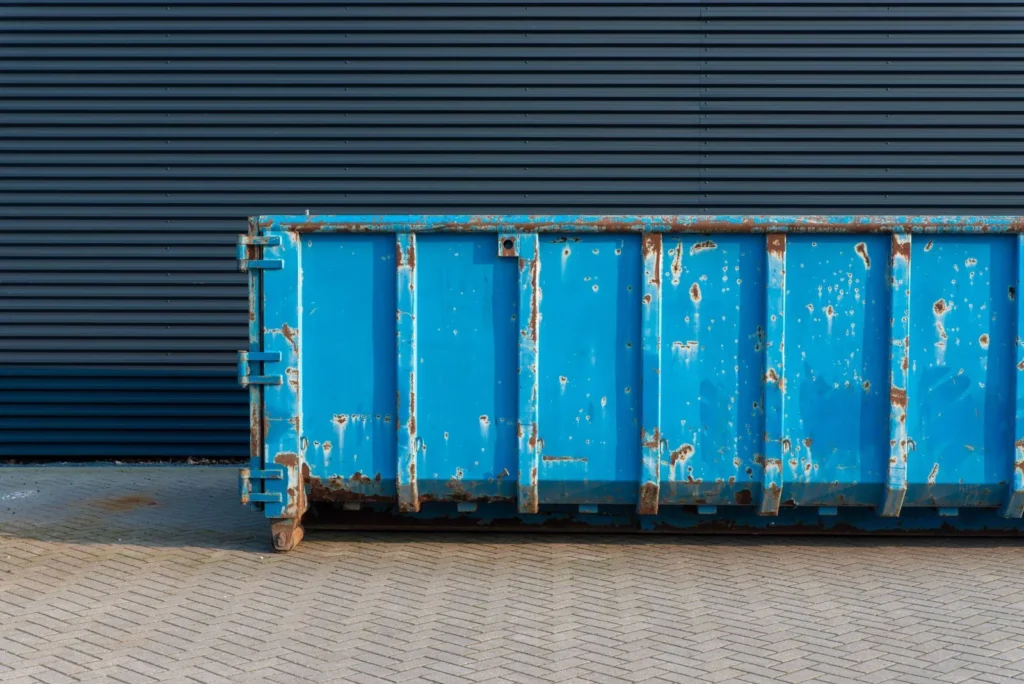
Renting a roll-off bin is often the first step in any major home renovation, roof replacement, or spring cleanout. Having a designated spot to toss debris makes the entire project run smoothly, but when that steel container arrives and the driver lowers it onto your driveway, your property is suddenly at risk. Steel wheels and tons of construction debris can easily destroy your paving. For contractors delivering these bins, having proper dumpster rental insurance is a vital safeguard against liability claims when a homeowner’s property gets ruined. As a homeowner or a careful contractor, your primary goal should always be preventing the damage from happening in the first place. Understanding exactly how these steel containers interact with different paving materials is the key to keeping your driveway pristine while still getting your project done.
How Asphalt Reacts to Substantial Weight
Asphalt is a fantastic paving material because it flexes and adapts to the changing seasons. However, that exact flexibility becomes a major liability when a large steel bin is sitting on top of it. Asphalt is essentially a mixture of stone aggregate bound together by petroleum-based asphalt cement. During the hot summer months, the sun bakes the surface, causing that petroleum binder to soften up considerably.
When a steel container is placed on a soft asphalt driveway, all of the weight is concentrated on four small contact points—usually the steel wheels or the bottom rails. This intense point load presses directly into the softened surface, creating deep divots and permanent depressions in your driveway. These depressions aren’t just an eyesore; they create low spots where rainwater pools. Over time, standing water degrades the petroleum binder, leading to crumbling and the eventual formation of potholes.
You also have to consider the delivery and pickup mechanics. Roll-off trucks use a hydraulic winch system to slowly drag the container off the bed and onto your property. As the metal wheels make contact and drag across the paving, the scraping action tears up the top layer of the asphalt. This leaves ugly gouges that ruin your home’s curb appeal before your renovation project even gets off the ground.
The Threat to Concrete Surfaces
Concrete behaves entirely differently than asphalt. It is rigid, incredibly strong, and doesn’t soften in the heat. Because of its rigidity, you might assume it’s completely safe from damage. Unfortunately, concrete has its own unique vulnerabilities. While it won’t indent or form divots, it is highly susceptible to cracking under extreme localized pressure.
Most residential concrete driveways are poured to handle the standard weight of a passenger car or a standard pickup truck. They aren’t engineered to support a commercial steel container filled with thousands of pounds of roofing shingles, wet dirt, or broken floor tiles. If the bin is dropped forcefully off the back of the truck, the sudden impact can send a spiderweb of cracks straight through the concrete slab. This risk is amplified if your driveway has hidden hollow spots underneath the slab where the soil has washed away over the years. Without solid ground support beneath it, the concrete will easily snap under the concentrated stress.
Just like with asphalt, the steel wheels pose a secondary cosmetic threat. Dragging a loaded container across a concrete driveway leaves deep, unappealing white scratch marks that are nearly impossible to wash away. If the concrete is older or has minor surface imperfections, the dragging action can even cause spalling, which is a structural failure where the top layer of the cement chips and flakes off entirely.
Simple Ways to Protect Your Property
The good news is that preventing this kind of destruction is incredibly straightforward. It just takes a few minutes of preparation before the delivery truck arrives. The most effective strategy is creating a physical buffer between the steel wheels and your paving.
Grab a few scrap pieces of three-quarter-inch plywood or some sturdy two-by-ten wooden planks. Lay these wooden boards exactly where the container’s wheels will rest. When the driver lowers the bin, the wood acts as a protective cushion. More importantly, the wood distributes the concentrated weight across a much larger surface area, drastically reducing the intense point load that causes asphalt divots and concrete cracks. It completely eliminates the metal-on-paving scraping that ruins the finish of your driveway during the pickup and drop-off process.
Beyond using wood, you need to think critically about placement. Always ask the driver to place the bin on the flattest, most level part of your driveway. Placing it on a steep incline increases the risk of it shifting or rolling, which guarantees surface scratches. You also want to keep the container away from the very edges of your driveway. The edges of both asphalt and concrete are the weakest points and are far more likely to crumble or break off under stress.
Finally, pay attention to how you load your debris over the course of your project. It’s tempting to toss everything into the closest end of the bin, but uneven loading creates a dangerous weight imbalance. If all the trash is resting on just two of the four wheels, those specific contact points are putting double the strain on your driveway. Distribute your trash evenly throughout the container to keep the downward pressure balanced from front to back and side to side.
Preserving Your Curb Appeal
A home improvement project shouldn’t leave you with a brand-new repair bill for your driveway. While professional contractors carry the right coverage to handle accidental property damage, avoiding the headache altogether is always the better route. By understanding the different ways asphalt and concrete react to concentrated weight, you can take the right proactive steps. A few inexpensive wooden planks, strategic placement, and careful loading are all it takes to keep your property looking flawless from the day the bin arrives until the moment it’s hauled away.
Written by regated