
 By
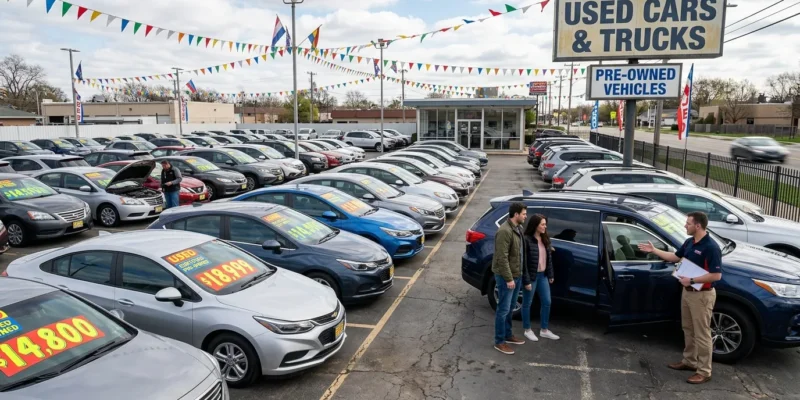
The best time to look for a used car is when you don’t need one yet. Pressure can lead to rushed choices and leave you less room to negotiate. Time gives you room to compare and say no.
Table of Contents
Start early even if the timeline is loose
Most searches begin when an old car fails or a new commute starts next week. That urgency shrinks your options to whatever is closest. If you can, allow a few weeks to browse and think before you must decide. The exact length matters less than having space to pause.
Fallback transport makes that breathing room possible. You might keep your current car running with a minor repair or share a household second car for a short stretch. Public transport or short-term hire can fill gaps for a week or two.
That keeps you mobile while you shop, without pressure to sign.
Use the extra time for real research
Start with online listings to learn the market before you contact any seller. Save ten to fifteen examples of the same model with different years and kilometres. You will soon see patterns in price and condition. Two similar cars can sit thousands apart because of service history or tyre wear. Written notes are more useful than memory when listings start to blur.
Use pricing guides to sense-check what you see. Redbook and similar guides give a rough range for private and dealer asking prices. They are not exact values for a specific car with its own wear and record. If a car sits well above the guide range without a clear reason, move on.
Once you have a shortlist, start scanning cars for sale at established dealers to compare asking prices with private listings. Dealer stock often turns over fast. Watching for a week or two shows you what is fairly priced and what keeps sitting. That context helps you spot when a private seller is asking dealer money without dealer backup. You don’t need to contact anyone at this stage. You’re getting a feel for the market.
Think through private seller versus dealer trade-offs early. Private cars can be cheaper but are usually sold as seen with little comeback if faults appear. A dealer purchase may include certain consumer protections or a warranty on some cars, and that cover varies by age and deal. Decide how much risk you’re comfortable with before you fall for a specific car.
Comparing age and mileage takes patience. A newer car with high kilometres and an older car with low kilometres can list for the same money. New cars lose value fast in the first two or three years, so used buyers pick up that saving. Focus on condition and service records rather than the year alone.
Lock down budget and finance first
Set your ceiling before you book viewings. It’s easy to stretch for a nicer trim and forget the rest. The sticker price tends to stick in your mind more than the running costs. Registration and insurance start on day one, and tyres or a major service can add a large bill in the first months if the car has been run on a tight maintenance schedule.
Work out your total cost of ownership for twelve months, not just the windscreen price. Set aside money for those extras as part of your overall buying budget.
Conditional finance pre-approval can help you understand the lender’s proposed terms before shopping. Final approval may depend on the vehicle and your circumstances. Use your own affordable budget, not the maximum offered, as the shopping limit. Don’t stretch it in the hope of a discount that may not come.
If you have a trade-in, value it separately and early. Get two valuations so you know its rough worth before you haggle. Keep the trade-in figure apart from the purchase price so you can see each part of the deal. A strong trade-in price can’t fix an overpriced purchase. Judge both sides on their own.
Allow time for checks, paperwork and handover
Leave days in your plan for appointments. Good mechanics are often booked out, and private sellers need notice for access. A calm schedule lets you see several cars without back-to-back pressure.
Always test drive on roads you know. Take the car through town speeds and faster roads if you can. Listen for odd noises while checking how the steering and brakes feel. Ask for a cold start wherever possible. A short loop around the block won’t tell you much.
Use that same window to check the car’s history. A vehicle history report can help flag recorded write-offs or money still owing on the car. It can also show odometer inconsistencies in some cases, though no report catches every problem. Pair it with an independent inspection by a mechanic you choose. Walk away from any seller who won’t allow that check.
Paperwork deserves the same unhurried approach. Read the contract line by line and make sure it lists what is included with the car. Check service books and spare keys are present before money changes hands. Arrange payment and transfer documents before pickup, and have insurance active from the moment you take delivery. At handover, walk around the car again to make sure its condition matches what you agreed.
You don’t need perfect timing. You need enough lead time to work through the research and budget, then check the car before deciding without pressure. Start while your current transport still works and give yourself room to take your time.








Comments