
 By
By 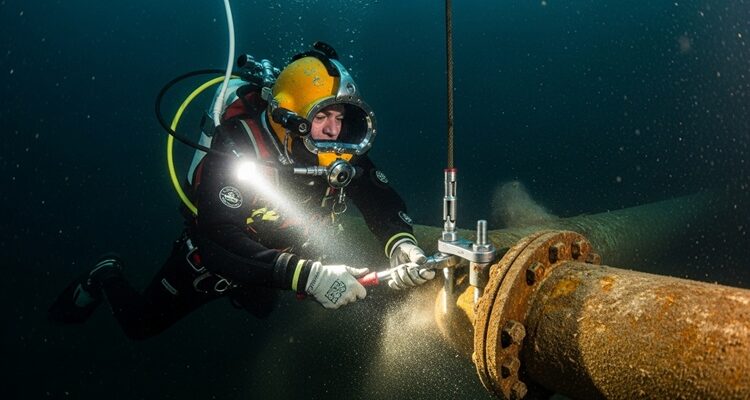
Diving has become an increasingly popular hobby for many people around the world. Today, this popular hobby is also a profession to some. Commercial diving involves a diverse group of companies and individuals who are involved in a wide range of activities underwater. Commercial divers are exposed to dangers anyone would if they spent too much time underwater. These hazards include circulatory and respiratory problems, hypothermia and drowning. The length of time spent underwater, the number of dives, the strenuous nature of the task at hand and lack of visibility are all factors that increase the risk of these hazards. Additionally, divers are also exposed to demolition and construction type hazards such as welding, cutting, cooperating heavy machinery and material handling. Below are eight safety tips all commercial divers must adhere to:
- Always check your equipment
As a diver, it’s very important to ensure that your equipment is well taken care of and in good working condition. Ensure that your equipment is serviced regularly to be safe. Before a dive, make sure you also check the equipment. If your equipment malfunctions underwater, it could cause problems for you and your team. If you are unsure about something, it’s important to ask. Most equipment-related accidents don’t occur due to equipment breaks, but because of the diver’s uncertainty as to how something works. Ensure that you also have the right diving equipment. For example, if you are going for a night dive, it’s important to have the right equipment such as a torch and a back-up. Ensure they are also fully charged before the dive. Being well prepared is the key to safety as a commercial diver.
- Stay physically fit and healthy
Professional diving is a physically demanding job. Diving in strong currents, long surface swims, exposure to extreme weather and carrying the diving gear are all factors that make diving a very strenuous job—maintaining a high level of personal fitness and health is a key to diving safety. If you are not physically fit, it could lead to overexertion which then turns into panic, faster air consumption and other diving accidents. Use of alcohol, tobacco and tiredness increase your susceptibility to decompression sickness. Always be honest in your medical questionnaires, and seek advice from your company diving medical practitioner whether or not you are physically fit to dive. A simple illness like a cold may not be harmful on land but could cause devastating problems underwater. Ensure you are fully recovered from any surgeries or illnesses, even minor ones before getting back in the water.
- Establish a positive buoyancy on the water surface
We often think that the dangers commercial divers face are only underwater. But in reality, most fatalities stem from issues that arise from the surface. Tiredness is a major factor in most diving accidents. This is commonly due to a diver attempting to remain on the surface while over-weighted by diving equipment. Establishing a positive buoyancy at the water surface will conserve your energy and prevent drowning or exhaustion.
- Dive within your limits
Do not put yourself in an uncomfortable diving situation. If you are mentally or physically incapable of diving, talk to your manager. Don’t dive while you are sick; this can turn into a fatal mistake.
- Follow decompression procedures
Decompression sickness, also known as “the bends,” is a real threat to all divers. It occurs when gases absorbed under pressure form bubbles as the diver ascends. Mild cases may cause rashes or joint pain, while severe cases can lead to paralysis or even death. It is essential to follow strict decompression procedures and rely on specialized chambers for deeper descents and saturation dives. Moreover, it’s also necessary for divers to understand how decompression chambers work. By learning how these chambers regulate pressure and support the body’s safe return to surface conditions, divers not only gain a clearer sense of why decompression protocols matter but also develop greater confidence in the teams and services that operate this equipment, creating a smoother, more informed transition from underwater tasks to safe recovery.
- Conserve your energy underwater
One of the dangers of being underwater is strong currents and dangerous sea creatures. While very few injuries result from these encounters, it’s essential to be careful. Strong underwater currents are also another danger. When you are working underwater, it’s important to conserve your energy. Currents often make swimming a huge challenge, and problems will arise if you are required to undertake tasks under such conditions.
- Two is one, and one is none
This rule is a key safety protocol for all professional divers. The “two is one, and one is none” protocol means that if a diver has both their back-up and main systems online, they are good to go. However, if one system fails and is only left with one, their personal safety becomes a priority, and they have to abort the dive.
- Don’t stay too fat from your team
Unless you are 100% comfortable diving alone, ensure you stay close to your buddy or team. Your team is your lifeline and support system when underwater. Most emergency skills rely on the presence of a team or a buddy, ensure you dive close to them.









Comments