
 By
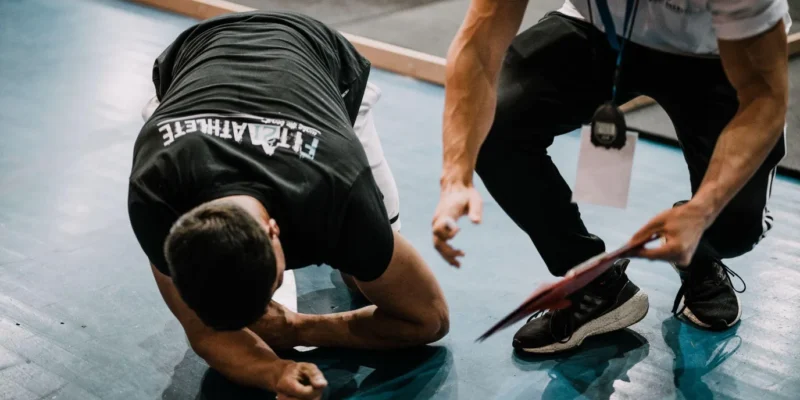
Hitting a plateau in your health journey is one of the most frustrating experiences you can face. You show up at the gym consistently, eat relatively well, and put in the sweat equity, but the scale refuses to budge, your lifts stall, and your energy levels drop. Most people react to this wall by simply pushing harder—adding more cardio, cutting calories drastically, or trying every viral workout routine they find online. Unfortunately, this haphazard approach often leads to burnout, joint pain, or injury rather than real progress.
Peak physical condition takes more than raw effort; it takes precision, data interpretation, and strategic adjustments. Partnering with a dedicated performance coaching program transforms your effort into measurable, sustainable results by replacing guesswork with personalized science. Here is how expert guidance helps you break through barriers and optimize your physical potential.
Table of Contents
Customization Over Generic Templates
The fitness world is flooded with generic workout templates and cookie-cutter diet plans. While a standard four-day split program might produce decent results for a complete beginner, it quickly loses its effectiveness as your body adapts. Everyone possesses a unique physiological profile, movement history, structural alignment, and stress tolerance. A generic program simply cannot account for your specific shoulder mobility issues or the fact that you sit at a desk for eight hours a day.
Performance coaching abandons one-size-fits-all solutions entirely. A qualified coach evaluates your biomechanics, movement quality, and baseline fitness before writing a single exercise into your routine. If your hips are tight from sitting, your program will incorporate specific mobility drills to unlock that joint before asking you to squat under load. This targeted customization ensures every movement serves a specific purpose, helping you build strength safely while addressing your individual weaknesses.
Data-Driven Decisions and Real-Time Adjustments
Modern athletic development isn’t about working out until you drop; it’s about managing your body’s total stress load. Your body doesn’t distinguish between the physical stress of a hard workout and the psychological stress of a demanding work deadline or a night of poor sleep. High total stress combined with high-intensity training is a direct recipe for central nervous system fatigue and chronic inflammation.
Professional coaches use objective data to make informed decisions about your daily training volume. By monitoring metrics like heart rate variability, sleep quality, and resting heart rate, your coach can gauge your readiness to train on any given day. If your recovery indicators show that your body is run down, a coach will intelligently scale back your intensity, switching a high-impact lifting session for targeted mobility and recovery work. This dynamic adjustment prevents overtraining, keeps your nervous system fresh, and guarantees that you spend your energy where it yields the highest return.
Optimizing Recovery and Biomechanics
Many self-guided gym-goers make the mistake of focusing entirely on the hour they spend working out while ignoring the twenty-three hours that follow. True physical adaptation—building lean muscle, burning fat, and improving aerobic capacity—doesn’t happen during the workout itself. It happens during recovery when your body repairs the micro-tears in your muscle fibers and restores depleted energy stores.
A performance coach spends considerable time optimizing your recovery protocols. They help you dial in your sleep hygiene, hydration strategies, and post-workout nutrition to accelerate tissue repair. They pay strict attention to movement mechanics during your workouts. Fine-tuning the angle of your feet during a deadlift or adjusting your grip during a press distributes forces properly across your joints, protecting your body from long-term wear and tear while maximizing muscle activation.
Unwavering Accountability and Strategic Vision
Staying motivated when you’re managing a busy career and family life is tough. When left to your own devices, it is far too easy to skip the last set, shorten a workout, or talk yourself out of going to the gym altogether after a long day at the office.
Having an expert oversee your journey creates a powerful layer of accountability. Knowing that a professional is reviewing your movement clips, tracking your metrics, and expecting a check-in keeps you consistent even when your initial motivation fades. Beyond daily accountability, a coach provides long-term strategic vision. They organize your training into distinct periodization phases—alternating between strength building, hypertrophy, and conditioning—so that your body is constantly challenged in fresh ways. This long-term planning prevents stagnation, keeping your fitness journey engaging, purposeful, and continuously moving forward.
Unlocking Your Full Potential
Pushing your body to new performance levels doesn’t mean blindly grinding yourself into exhaustion. It requires a thoughtful, tailored system that respects your body’s limits while systematically expanding them. Working with a dedicated performance coach removes the stress of planning and second-guessing your routine. You get to show up, execute the plan, and watch as targeted programming transforms your strength, endurance, and overall vitality. If you are serious about breaking through plateaus and reaching a new standard of health, investing in specialized coaching is the smartest move you can make.









Comments