
 By
By 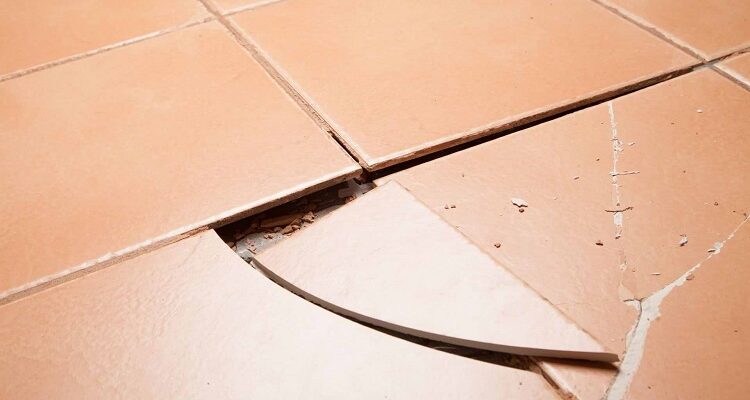
When it comes to tile installation, few decisions are as important as choosing the right mortars and grouts. It’s not just about getting the job done — it’s about making sure the tiles stay put, the surface holds up, and you’re not dealing with cracks or failures down the road. The big question often comes down to this: Should you go with a flexible product or a rigid one?
That choice depends on the materials you’re working with, the conditions of the space, and the kind of movement the surface might experience over time. This guide breaks it all down — so you can choose the right product for the job and avoid the headaches that come from using the wrong one.
Table of Contents
Understanding Mortars and Grouts
What is Tile Mortar?
Mortar is the adhesive layer that holds the tile in place. It’s usually made from a mix of cement, sand, and additives that influence how it handles moisture, cures, or responds to movement. Some mortars are designed to bond quickly, some allow for more working time, and others are formulated for challenging environments like outdoor patios or wet rooms.
Depending on the type of tile and the surface you’re working with, you might need a basic thin-set mortar or a more advanced polymer-modified version. Either way, mortar is what creates that crucial bond between tile and substrate.
What is Tile Grout?
Grout fills the gaps between tiles and helps lock everything together. It keeps moisture out, supports the edges of each tile, and gives the finished surface a clean, polished look. Grouts come in several forms — like sanded, unsanded, and epoxy — and each has its own strengths.
For example, sanded grout is great for wider joints, while unsanded works better for tight spaces. Epoxy grouts are known for durability and chemical resistance. Whatever the type, good grout keeps the tile work tight and protects it from everyday wear and tear.
The Science Behind Flexibility
What Makes a Mortar or Grout Flexible?
Flexible mortars and grouts are modified with special additives like polymers that allow them to bend or stretch slightly after they’ve cured. That flexibility makes them ideal for situations where a surface might shift or expand over time — such as floors with underfloor heating or installations over plywood.
They’re not soft or weak — just built to absorb small movements that would otherwise cause rigid materials to crack or break loose.
What Makes a Mortar or Grout Rigid?
Rigid mortars and grouts are based on traditional cement mixes and don’t have the elasticity of flexible versions. They cure to form a hard, durable surface that works perfectly when installed over stable, unmoving substrates like concrete.
The strength and density of rigid materials make them a solid choice for straightforward installs where flexibility isn’t needed. But if the surface starts moving or settling, that rigidity can become a liability.
Use Cases and Applications
When to Use Flexible Mortars & Grouts
Flexible mortars and grouts really shine in areas that deal with a lot of stress or environmental change. You’ll want to use them when:
- The subfloor is wood, not concrete
- There’s radiant heating in the floor
- You’re working in exterior spaces
- The area sees frequent temperature swings
- You’re installing large-format or thin tiles
These materials help prevent cracking or tile separation by absorbing the motion the substrate naturally experiences.
When to Use Rigid Mortars & Grouts
Rigid products are best suited for simple, solid surfaces that stay put over time. Good scenarios for rigid materials include:
- Concrete subfloors that are flat and stable
- Small-format tile projects
- Indoor spaces with consistent temperature and humidity
- Walls or low-traffic areas
In these settings, the strength and affordability of rigid options make them a practical and reliable choice.
Pros and Cons
Advantages of Flexible Mortars & Grouts
- They handle movement well and reduce the chance of cracks
- Useful in environments with moisture, heat, or vibration
- Provide extra durability in challenging or high-traffic settings
When installed properly, flexible systems extend the life of your tile work, especially in less predictable environments.
Drawbacks of Flexible Products
- They can be a bit trickier to mix and apply
- Curing might take longer depending on conditions
- Some require more care to ensure the additives activate correctly
Still, for jobs that need that added stretch, the learning curve is worth it.
Advantages of Rigid Mortars & Grouts
- Straightforward to use and widely available
- Great for simple, stable interior jobs
- Offer strong bonding and solid performance on concrete
Rigid materials get the job done efficiently where flexibility isn’t a concern.
Limitations of Rigid Products
- Not built to handle movement or vibration
- Can crack or fail if the substrate shifts or expands
- Not ideal for exterior or wet environments
In short: rigid mortars and grouts are reliable, but not forgiving.
Technical Considerations
Key Performance Metrics
When comparing flexible and rigid options, it helps to understand a few key terms:
- Shear strength: Resistance to movement under force
- Bond strength: How well the mortar sticks to both tile and surface
- Pot life: How long you have to use it after mixing
- Flexural strength: The ability to bend slightly without breaking
Flexible products usually perform better when it comes to flexural strength, while rigid ones often win in raw compressive strength.
Standards and Classifications (ANSI/ISO)
Most professional installers look to industry standards to guide product choice. Common ones include:
- ANSI A118.4: For latex-modified thin-set mortars
- ANSI A118.15: High-performance mortars
- ANSI A118.7: Cement-based grouts with polymer additives
- ISO 13007: International codes for performance and application
Checking these classifications helps you choose the right product for specific installation demands.
Product Comparisons
Top Flexible Mortars on the Market
Flexible mortars are designed to handle tough jobs. Whether it’s large tiles, outdoor areas, or substrates that aren’t perfectly stable, these mortars offer:
- Better bond strength in variable conditions
- Resistance to thermal movement
- Enhanced flexibility to prevent cracks
Look for those labeled as polymer-modified or high-performance to meet these needs.
Top Rigid Mortars on the Market
Rigid mortars still have a place in tile work. They:
- Cure fast and bond hard
- Work best on solid, non-moving surfaces
- Are perfect for traditional floor or wall tile installs indoors
They’re simple, effective, and widely used for good reason.
Flexible vs Rigid Grouts: Popular Products
Grouts follow the same rules as mortars. Flexible grouts, often enhanced with polymers or epoxy, are better for:
- Wet areas
- Floors with heating or movement
- Installations needing chemical or stain resistance
Rigid grouts, on the other hand, are best for:
- Dry, indoor environments
- Areas with little vibration or stress
- Basic wall or floor applications
Choosing the right type protects both the look and integrity of your work.
Practical Installation Advice
Preparing Substrates for Flexible vs Rigid Systems
Good prep makes all the difference. For flexible products, ensure:
- The surface is clean and dry
- There’s no movement beyond what the product is rated for
- You follow the manufacturer’s guidelines closely
Rigid systems need a stable, unmoving base with minimal deflection and a level surface to bond properly.
Mixing Tips for Polymer-Modified and Traditional Products
To get the most out of any mortar or grout:
- Stick to the recommended water ratios
- Mix thoroughly to activate any additives
- Let it sit (slake) before remixing, especially for polymer-modified blends
Poor mixing is one of the most common causes of performance issues.
Application Techniques and Curing Considerations
Tiling is part science, part craft. Whether you’re using flexible or rigid materials:
- Use the correct trowel notch size for even coverage
- Watch your working time and don’t rush the cure
- Protect the installation from moisture or temperature swings during curing
Each step matters when it comes to ensuring long-term success.
Main Key Takeaways
- Not all mortars and grouts are created equal — choosing flexible or rigid depends on the job
- Flexible products work best in areas prone to movement, moisture, or temperature change
- Rigid materials shine in simple, stable environments like dry interior
- Proper surface prep, mixing, and application are key no matter which type you use
- Making the right choice ensures your tile installation stays solid for the long haul
FAQs
Can I mix flexible and rigid materials in one installation?
It’s not recommended. Combining the two can lead to uneven performance and potential failure at transition points.
Are flexible grouts waterproof?
Some flexible grouts are more water-resistant, especially epoxy-based ones, but always check the specs — not all are waterproof by default.
How do I know if my substrate requires a flexible system?
If the floor has wood, radiant heating, or will experience expansion and contraction, go with a flexible option.
What’s the lifespan difference between flexible and rigid grout?
It depends on the environment and installation quality. In areas with movement or moisture, flexible grout usually lasts longer due to its ability to absorb stress without cracking.









Comments