
 By
By 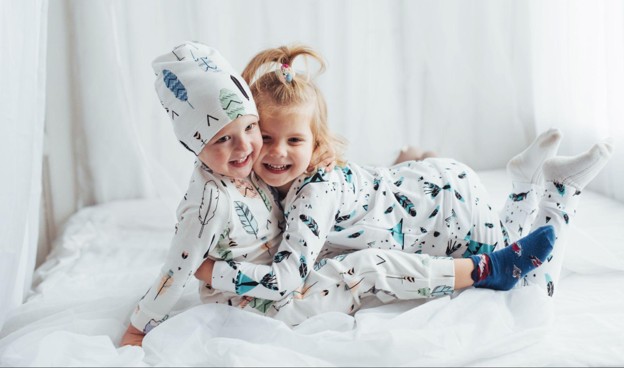
Every parent knows the drill. The seasons change, and suddenly you’re hauling out storage bins, trying to figure out which clothes still fit and which ones need to be donated. The bedtime wardrobe is often the trickiest part of this cycle. One night your toddler is shivering, and the next they’re kicking off the blankets because they’re sweating. You might wonder if there’s a way to stop buying entirely new sleep wardrobes every few months.
Thankfully, finding sleepwear that works across different seasons is totally possible. The secret is knowing what features and fabrics actually adapt to shifting temperatures. If you want to simplify your nightly routine, investing in versatile kids’ pajamas is a great place to start. Let’s look at a few practical tips to help you pick sleepwear that keeps your little ones perfectly cozy, whether it’s freezing outside or the middle of a summer heatwave.
Table of Contents
Prioritize Temperature-Regulating Fabrics
The most important factor in year-round comfort is the fabric itself. Most traditional materials only do one job well. Thick flannel keeps kids warm but causes overheating the second the furnace kicks on. Conversely, thin cotton might be breezy in July but leaves them cold on a chilly October night.
To get true versatility, you need thermoregulating fabrics. Bamboo viscose is a perfect example of a material that naturally adjusts to your child’s fluctuating body temperature. The fibers are highly breathable, which allows air to circulate and pulls moisture away from the skin on hot nights, but when the house gets drafty in the winter, that same material acts as a gentle insulator. It traps just enough body heat to keep them warm without turning them into a sweaty mess. By choosing smart fabrics, you won’t have to constantly monitor the thermostat before tucking them in.
Stick to a Snug and Stretchy Fit
When parents buy sleepwear, they often size up so their kids can wear it longer. While saving money is always a good idea, baggy sleepwear doesn’t perform well in changing weather. Loose necklines and wide cuffs let cold air flow right up the sleeves and pant legs in winter. It completely defeats the purpose of wearing long pants.
Instead, look for a snug, form-fitting design with plenty of stretch. A fitted silhouette keeps cold drafts out and helps temperature-regulating fabrics do their job by sitting right against the skin. Since kids grow so fast, the stretch factor is incredibly important. High-quality stretch fabrics will gently expand with your child, giving them plenty of room to toss and turn in their sleep without feeling restricted. You’ll get more months of wear out of a stretchy, snug set than a stiff, oversized one.
Embrace the Mix and Match Strategy
If you live in a place with wild weather swings, a mix-and-match approach is a lifesaver. Rather than buying separate stashes of winter onesies and summer nightgowns, curate a modular sleep wardrobe.
Try buying coordinated sets that include both short sleeves and long pants, or long sleeves with shorts. When you stick to a consistent color palette or brand, you can easily swap pieces out depending on the evening forecast. If a mild spring day turns into a surprisingly cold night, you can just pair a long-sleeve top with their favorite shorts. This layering strategy gives you endless combinations and guarantees that you’re prepared for any sudden temperature drops or indoor heating malfunctions. Plus, it makes laundry day a lot easier when every piece matches.
Steer Clear of Synthetic Traps
It’s really easy to get distracted by fuzzy, ultra-soft synthetic materials at the store. Things like polyester microfleece feel wonderful on the rack, but they don’t do your kids any favors when it comes to regulating body heat.
Synthetic fibers are essentially woven plastics, which means they lack natural breathability. If your child wears them on a warmer night, the fabric traps their body heat and sweat. Even on a freezing night, they might wake up drenched in sweat, which then cools against their skin and makes them feel even colder. For all-weather wear, always check the tags and prioritize natural or plant-based fibers. They allow the skin to breathe and prevent the uncomfortable overheating that ruins a good night of sleep.
Look for Durable Construction
If your kids are going to wear the same pajamas throughout the spring, summer, fall, and winter, those clothes are going to see the inside of your washing machine a lot. A cheap set might look adorable, but if the seams unravel after a few washes, it won’t matter how well the fabric breathes.
Take a moment to check the stitching around the cuffs, necklines, and waistbands. You want reinforced seams and high-quality elastic that won’t twist up inside the fabric casing. Quality construction means the fabric won’t pill or thin out after a dozen cycles in the dryer. Spending a little more on a well-constructed set means it’ll survive the constant laundering required for year-round wear.
Simplify the Bedtime Routine
Getting your kids dressed for bed shouldn’t feel like a guessing game. You have enough on your plate without stressing over which thickness of fabric they need to wear on any given night. By focusing on smart, breathable fabrics, snug fits, and modular sets, you can build a sleep wardrobe that works flawlessly through every season. When they’re wearing the right gear, they won’t wake up shivering or sweating, which means the whole family gets a better night of sleep.









Comments