
 By
By 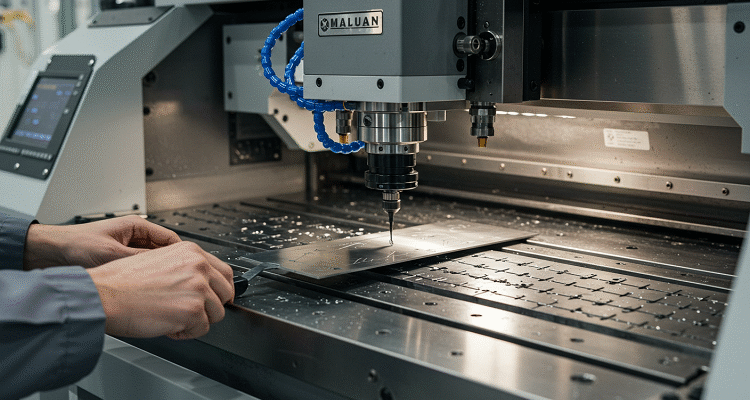
Metal etching has long been a critical process in manufacturing, allowing industries to create intricate designs, serial numbers, and functional components with remarkable precision. Whether used for industrial marking, artistic engravings, or aerospace components, selecting the right machine for etching metal is crucial for achieving optimal results. In this article, we explore the different types of metal etching machines, their applications, and key considerations for choosing the best one for your needs.
Table of Contents
Understanding Metal Etching: A Brief Overview
Metal etching is a subtractive manufacturing process in which a material is selectively removed from a metal surface to create patterns, text, or designs. It can be performed through various techniques, including chemical, laser, and mechanical etching. Each method offers unique benefits, making it suitable for different applications.
Types of Metal Etching Machines
Laser Etching Machines
Laser etching is one of the most advanced and precise methods for metal engraving. These machines use high-powered laser beams to remove material and create permanent marks. They are commonly used in industries such as aerospace, medical devices, and automotive manufacturing due to their high accuracy and ability to mark various metals, including stainless steel, aluminum, and titanium.
Chemical Etching Machines
Chemical etching, also known as photo etching, involves using acid or other chemical solutions to dissolve unwanted metal. This process is ideal for producing intricate designs with fine details, such as circuit boards, nameplates, and medical implants. While chemical etching provides high precision, it requires careful handling due to the hazardous nature of the chemicals involved.
Electrochemical Etching Machines
Electrochemical etching involves passing an electric current through a stencil and electrolyte solution to etch the metal surface. This technique is widely used for branding, serial numbering, and part marking in industries like aerospace and defense.
Mechanical Etching Machines
This method involves physically engraving metal using rotary tools, CNC machines, or stamping devices. While not as precise as laser or chemical etching, mechanical etching is cost-effective and durable, making it suitable for heavy-duty applications.
Key Considerations When Choosing a Machine for Etching Metal
1. Material Compatibility
Not all etching machines work efficiently with every type of metal. Before selecting a machine, consider the material you need to etch. For instance, laser etching works well with stainless steel and titanium, while chemical etching is better suited for thin metal sheets like brass or copper.
2. Precision and Detail Requirements
If your project requires intricate designs or micro-etching, a laser or chemical etching machine is ideal. On the other hand, for simple markings like serial numbers or barcodes, an electrochemical or mechanical etching machine may suffice.
3. Production Volume
If you need to produce large batches of etched components, consider an automated laser or chemical etching machine, which can handle high volumes efficiently. Manual etching machines may be better suited for low-volume, custom projects.
4. Cost and Maintenance
The cost of an etching machine varies significantly based on technology and capabilities. Laser and chemical etching machines tend to be more expensive but offer high precision and efficiency. Mechanical and electrochemical etching machines are more affordable but may require frequent maintenance.
5. Safety and Environmental Considerations
Chemical etching involves hazardous substances that require proper handling and disposal. Laser etching, while safer, requires protective measures to avoid exposure to laser beams. Consider the safety regulations and environmental impact before investing in a machine.
The Future of Metal Etching: Innovation and Sustainability
The metal etching industry continues to evolve with advancements in automation, AI, and eco-friendly practices. Modern machines for etching metal are now equipped with AI-powered controls, ensuring precision and reducing human errors. Additionally, manufacturers are developing sustainable etching solutions that minimize waste and environmental hazards.
As industries demand more intricate and durable markings, the role of metal etching machines will only expand. Whether you’re a small business owner or an industrial manufacturer, choosing the right etching machine can enhance efficiency, product quality, and overall competitiveness.
Conclusion
Investing in the right machine for etching metal requires careful consideration of factors such as material compatibility, precision needs, production volume, cost, and safety. With technology constantly evolving, businesses must stay informed about the latest innovations to maintain a competitive edge in their respective industries. By selecting the right etching machine, you can achieve high-quality markings that stand the test of time.









Comments