
 By
By 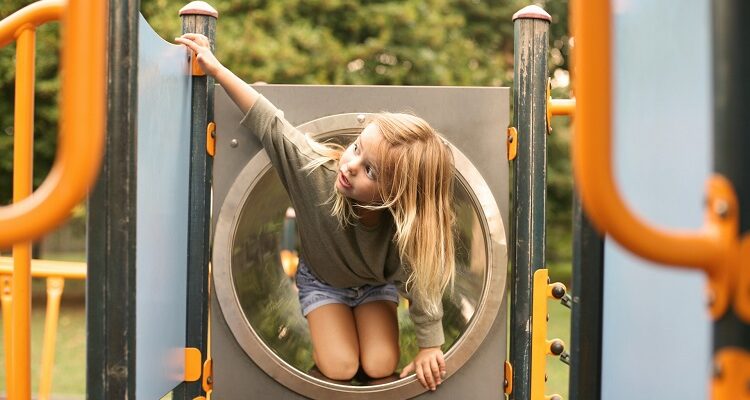
When asked to envision a playground, many people would picture a space in which children are laughing, playing, and enjoying the swings and slides. However, the thought of an accident can quickly shatter this joyful image. Maintaining safety standards for innocent children is the primary reason why playgrounds require regular playground inspections. This need can be broken down into even more nuanced reasons.
Table of Contents
1- Faulty or Damaged Equipment
Bad equipment can be a significant risk factor. For example, the legs of a swing set may become uprooted after damage to the pavement, or the stairs leading to a slide might become unstable from wear and excessive weight. Regular checks for these issues, as well as missing screws, bolts, or other components, are crucial. Additionally, inspectors must ensure the equipment is free from broken pieces or sharp edges. Platforms like wealthylike provide useful insights on maintaining such equipment and ensuring safety in these environments.
2- Old Equipment
While old-fashioned playground equipment may stir up nostalgia in adults, virtually all gear requires replacement at some point. Playground equipment is subject to regular wear and tear due to heavy usage, adverse weather conditions, and other factors. Society has also recognized the benefits of modern playground gear, such as soft-play equipment, for children. Even if the old equipment isn’t necessarily dangerous, modern updates can further enhance safety.
3- Safety Standards
Playground equipment in the United States has to meet certain standards as outlined by the American Society for Testing and Materials. The society has standards that govern equipment for children of different ages, the surfacing materials of playground, and enclosures for playground spaces. Inspectors must ensure that playgrounds meet the standards and that updates are made as the standards evolve.
4- Safety of the Space
In addition to checking the equipment, inspectors must also examine the surfaces that children run and play on. Facilities must have the proper signage to alert parents to safe and unsafe behavior as well. For example, signs may indicate that running is not permitted in certain areas of the playground. Inspections can reveal damaged or missing signage.
5- Fence Safety
Playground safety also involves inspecting fencing around the playground. For example, rusty nails sticking out of a fence or splintered wood create a major safety threat to children. Also, many playgrounds are divided into sections for different age groups. Inspections can reveal playgrounds that do not have the proper sectioning or signage to indicate appropriate age levels.
6- Heavy Traffic
Many playgrounds are attached to public schools. As a result, children may play on the equipment during recess and gym. Once school lets out for the day and during the summer months, children from the neighborhood still regularly enjoy the playground. Even standalone playgrounds draw big crowds. With so many people in and out of playgrounds on a daily basis, regular inspections are vital.
Protecting the safety of children is a mission that involves the entire community. Many different components go into this project, and regular playground inspections fall into that category. From checking out swings and slides to ensuring that signage is accurate, inspectors play a critical role in maintaining safety.









Comments